

About Us
The Minority Café will be a dynamic, digital platform—part social forum, part knowledge commons, and part solidarity network—designed to serve as an interactive, community-driven space for marginalized voices. Drawing on elements of social media, community organizing tools, and human rights advocacy platforms, its interface will be intuitive, multilingual, accessible, and secure—centered around community ownership and transnational participation.
WHO WE ARE
The Minority Café is conceived as a digital commons—a rights-based and inclusive space that centers the experiences, voices, and strategies of communities that have been historically minoritized by dominant national narratives and policies. It is a virtual gathering place for dialogue, solidarity-building, and mutual learning across identities and geographies—particularly among those affected by the sharp edges of majoritarian politics, whether these manifest in racial hierarchies, caste oppression, religious intolerance, ethnic marginalization, or gender-based exclusion.
At its core, the Minority Café is a space of acknowledgment: one that recognizes that the condition of being a “minority” is often not an inherent or numerical reality, but the outcome of state-constructed hierarchies of belonging. It is a space where groups who have been rendered invisible, stateless, voiceless, or criminalized can reassert their agency and narrate their own histories of struggle, survival, and resistance. In doing so, the Café challenges the structural violence embedded in the logic of nation-state exclusion, and affirms the right of all peoples to dignity, cultural expression, and full participation in public life.
WHAT WE DO
The Minority Café, then, is not just a virtual platform. It is a political and ethical space—a refuge for those denied voice, a bridge across fractured identities, and a school of resistance where communities can learn from one another how to reclaim rights, demand accountability, and reimagine inclusive futures beyond the confines of the majoritarian state.
Beginning in Bangladesh, the Minority Café will provide a platform for marginalized groups—including but not limited to the Urdu-speaking Bihari community, indigenous peoples, religious minorities, Dalit and lower-caste individuals, sexual and gender minorities, and migrant or stateless persons—to reflect on their lived experiences under a political order that has historically prioritized ethnic and linguistic majoritarianism. From there, the Café will extend outward, establishing transnational connections with similarly affected communities in India, Pakistan, Sri Lanka, Nepal, Myanmar, and beyond—eventually weaving a web of solidarity across the Asia-Pacific and global South.
We build power in communities so that people are able to exercise their rights and actively participate in governance and decision-making.
We share best practices and find solutions through peer exchanges, online courses, research projects, and more.
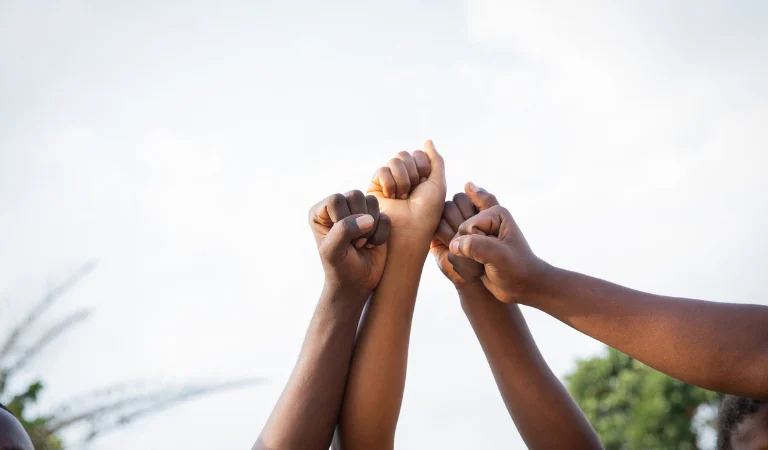
Through collective action, our members build a more just and sustainable world together. We seek real, positive change, both locally and globally.
Minority Café is a space of acknowledgment: one that recognizes that the condition of being a “minority” is often not an inherent or numerical reality, but the outcome of state-constructed hierarchies of belonging. It is a space where groups who have been rendered invisible, stateless, voiceless, or criminalized can reassert their agency and narrate their own histories of struggle, survival, and resistance. In doing so, the Café challenges the structural violence embedded in the logic of nation-state exclusion, and affirms the right of all peoples to dignity, cultural expression, and full participation in public life.
VISSION
This is especially critical in a global climate where civic space is shrinking, and human rights defenders—particularly those from minoritized communities—are increasingly under threat. By fostering cross-border dialogue and collaboration, the Minority Café helps protect and amplify the work of these defenders. It provides them with a space to organize, strategize, and find strength in shared experience—all within a digital framework that respects nonviolence, intersectionality, and international legal protections.
Watch how we work
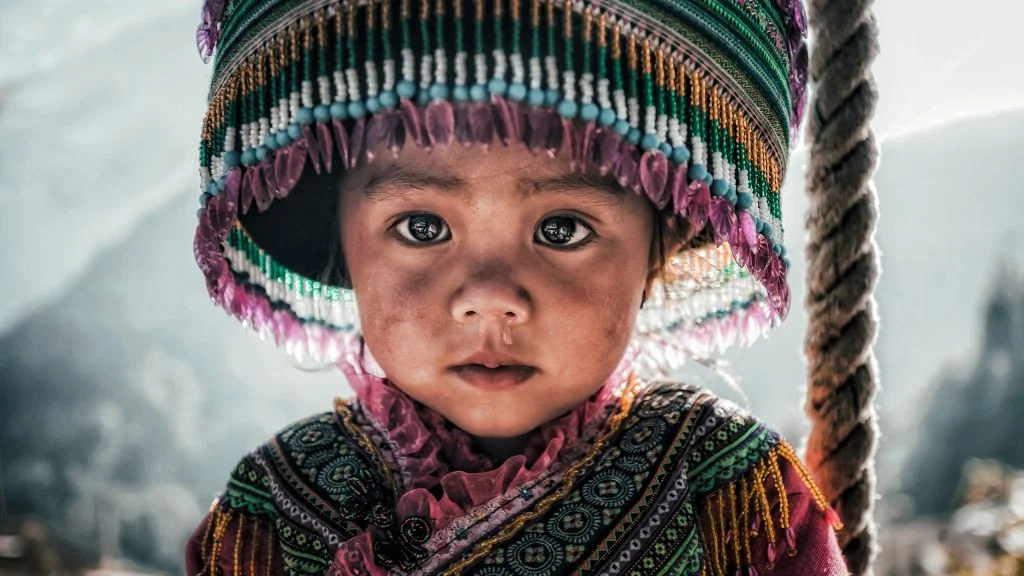
Summery of Leadership Page
Mission & Vision
Subscribe to our newsletter!